

Older and Wiser
Download this article as a PDF.
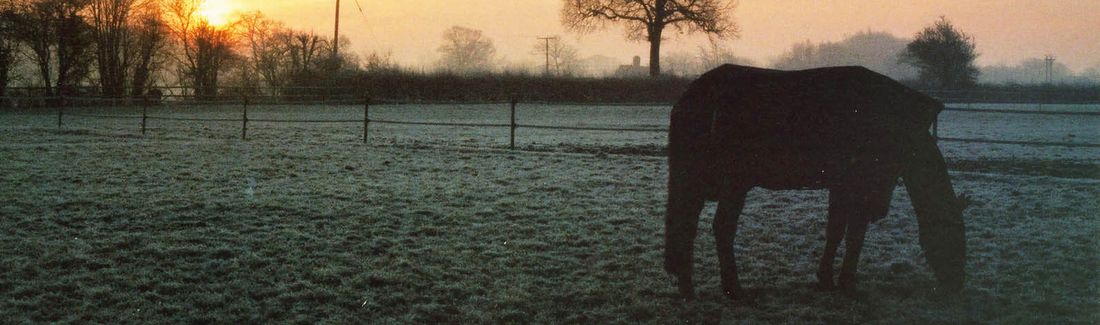
Should you change what you feed just because your horse is getting on a bit?
When is a horse old?
Like humans, horses age at different rates which is why we always recommend feeding them as individuals rather than changing to a veteran feed, once they’ve achieved a certain birthday. Nutrition can influence health and welfare at any age but it’s important to be aware of some of the effects of old age in order to establish which feed will meet a particular individual’s requirements.
THE EFFECTS OF OLD AGE
Dentition
Common signs of dental problems include quidding, where food is dropped out of the mouth, and balled up bits of hay or haylage that have been spat out onto the floor, however, as with any horse, regular dental checks are important to identify any issues. Loose and worn teeth can make it difficult for oldies to chew properly, so what is swallowed is less easily digested and can be one reason why a horse is not thriving even on the correct diet.
The biggest difficulty for horses whose teeth are really failing, is consuming sufficient forage and fibre to maintain a healthy digestive system. Alfalfa and other chaffs, like Alfalfa Blend, Alfalfa Plus Oil and Light Chaff, may be easier to chew but are also prone to getting stuck in diastemas (gaps) in the horse’s dentition so soaked options, like Speedi- or Fibre-Beet or Natural Meadow Cobs, may be preferable.
A combination of these can be fed to provide variety and either to fully or partially replace the forage (hay/haylage/grazing) ration but it’s worth consulting with a nutritionist, for those equines who can no longer consume hay or haylage and need a complete forage replacement ration. Further advice on devising a forage replacement ration can be found in our Forage Replacement article.
Digestive Efficiency
As horses get older, they can gradually become less efficient at absorbing nutrients from their feed, which may be worsened by long term worm damage. They may also find it harder to digest fibre, as the fibre-digesting micro-organisms in the hindgut can become less efficient. Ensuring the older horse or pony is able to consume plenty of fibre, and varieties of fibre, will help them maintain digestive health and the efficient utilisation of nutrients.
Many feeds, particularly those for veterans, contain ingredients to support the hindgut microbiome, typically prebiotics and/or probiotic yeasts. Some, like Senior Soft & Lite, now also contain postbiotics to provide additional support for the hindgut bacteria, with resultant beneficial effects on the integrity of the gut lining and the horse’s immune response as well as digestive efficiency.
When included in feeds, pre-, pro- and postbiotics will be supplied at maintenance levels, as long as the feed is given in the recommended daily quantities. For those horses and ponies whose gut health has been particularly challenged or compromised, say during a bout of illness, after a course of antibiotics or times of stress, a specially formulated supplement, added to a balanced diet, may be more appropriate. Older horses and ponies may also be more susceptible to disruptions to the digestive tract so avoiding any sudden changes to either the forage or concentrate ration, as well as sudden increases or decreases in turnout time, is recommended.
Weight Loss
Failing teeth and/or digestive efficiency will eventually lead to loss of condition and ensuring sufficient fibre intake should always be the first step towards encouraging weight gain as, without this, bucket feed may not be so efficiently utilised. The severity of the weight loss, and the calorie content of the horse or pony’s current diet, will indicate whether a moderately calorific senior feed, like Senior Mix, is appropriate or whether a higher calorie conditioning feed is required.
The higher the Digestible Energy (DE) content of a feed, the more calories per kilo it provides, which helps in keeping meal sizes manageable to further support digestive efficiency. Conditioning feeds, like Top Line Conditioning Mix and Cubes, typically have higher DE contents than most veteran/senior feeds and are likely to be a better choice when significant weight gain is required but, if a horse has a history of problems, such as laminitis or Cushing’s (PPID), a traditional high starch conditioning feed is unlikely to be a suitable option.
For these veterans, the starch content of the diet should be kept as low as possible, which generally means the avoidance of cereal-based feeds so low starch conditioning feeds, like Ease & Excel mix or Cubes, delivering higher levels of calories from fibre and oil, are likely to be a safer choice. The severity of these conditions can vary hugely, however, so each horse should be considered individually and consulting with a nutritionist is highly recommended.
Good-Doers
Many older horses remain “good-doers” throughout their lives and must be fed and managed accordingly. Controlling calorie intake is a priority but this should not be at the expense of the other nutrients required to make up a balanced diet. Fibre should remain the basis of the, however, older horses need a good source of protein, vitamins and minerals to maintain their health and well-being, and this can best be provided by a balancer, like Lo-Cal, which supplies these nutrients without unwanted calories. Quality protein is of particular importance as muscle tone and top line is one of the first physical aspects to decline, so Performance Balancer, designed to supply elevated levels of protein, can also be a good option.
Joint Health
Feeding the recommended amounts of a good quality appropriate mix, cube or balancer will supply the essential amino acids and other nutrients required to support healthy joints, immunity, muscle tone, hoof growth etc. If you’re concerned about joint health, we’d recommend talking to your vet before considering one of the many targeted nutraceutical supplements, which may contain a range of ingredients chosen either for their anti-inflammatory properties or to supply nutritional components important for cartilage formation and tissue integrity.
Senior Soft & Lite contains whole nettle supplying antioxidant polyphenols and flavonoids, and key vitamins and minerals, which support the body’s response to stress and inflammation, while Meadow Sweet with Turmeric contains TurmerAid complete turmeric supplement to support healthy joints. Both must be fed according to recommendations to deliver appropriate daily levels of these natural ingredients.
So when would I use a Veteran Feed?
Most senior/veteran feeds sit in the middle as far as calorie/DE levels are concerned yet are designed to meet slightly elevated requirements as far as protein and other nutrients are concerned. They all contain ingredients to support gut health and digestive efficiency so are appropriate when an aging horse starts to show signs of not thriving on its usual diet. If they’re normally a good-doer and are fed a balancer alongside forage, for example, a step up to a senior feed may be a good choice if they have started to drop a little condition and top line.
MANAGEMENT TIPS FOR THE OLDER HORSE
- Older horses may become less dominant and could be bullied away from food and shelter by younger horses. Ensure older horses have the opportunity to finish their feed and can escape the elements.
- The older horse may become quite fussy. Senior Soft & Lite, Keep Calm Mash and Ease & Excel Cubes all contain extracts of flavours of essential oils, for improved palatability. If softening the feed, use warm water to aid palatability.
- Implement the rules of feeding as extensively as possible by feeding small meals at frequent intervals to keep the horse interested and support digestive efficiency.
- Implement an effective de-worming programme and have teeth checked regularly by a professional.
- Monitor any changes in your horse’s droppings. For example, large fibre strands in the droppings could indicate a reduction in chewing capacity and therefore digestive efficiency.
