
Baileys & The Environment
At Baileys, we work hard to minimise the impact of our feed production on the environment and are constantly looking to improve our practices for long term sustainability.
Packaging
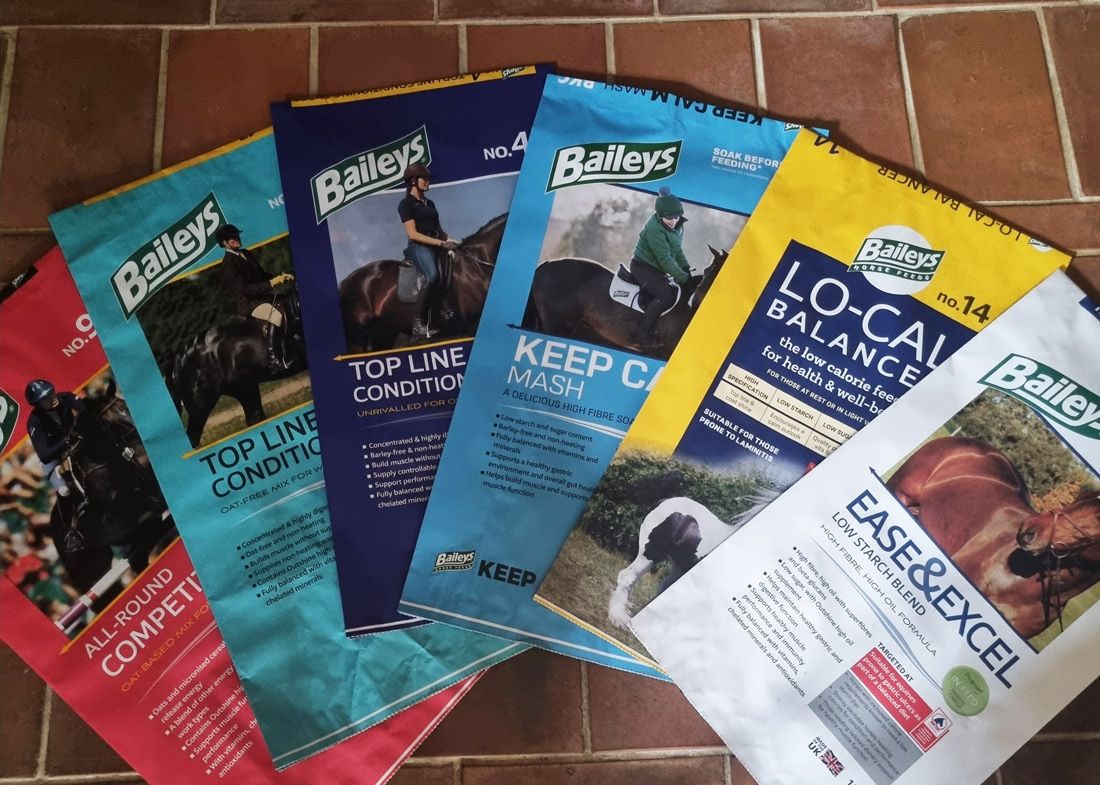
Of the 40 bagged feeds, carrying the Baileys brand, only 6 are packaged in plastic - 5 chaffs, Working Dog Bites and Outshine high oil supplement. For this, the plastic is essential as its high oil content would seep through even the thickest paper sack, while the production and packing process for products, like chopped alfalfa and grass, involves compressing them into a bale for which paper is unsuitable.
The UK-produced plastic for these bags contains the highest proportion of recycled plastic possible and is of the lightest grade possible to keep total plastic usage to a minimum, while maintaining strength and integrity. These plastic sacks are reusable and recyclable.
Baileys’ paper sacks are also produced by a UK company who use only sustainable materials, and we continue to prefer paper over plastic, for both environmental reasons and the increased flexibility we have in supply. The sacks are made of robust-enough paper to withstand the rigours of packing, stacking and transport, yet are recylable and degradable and, while paper may be susceptible to damp, it remains the most cost-effective and universally convenient way to package feed.
Energy
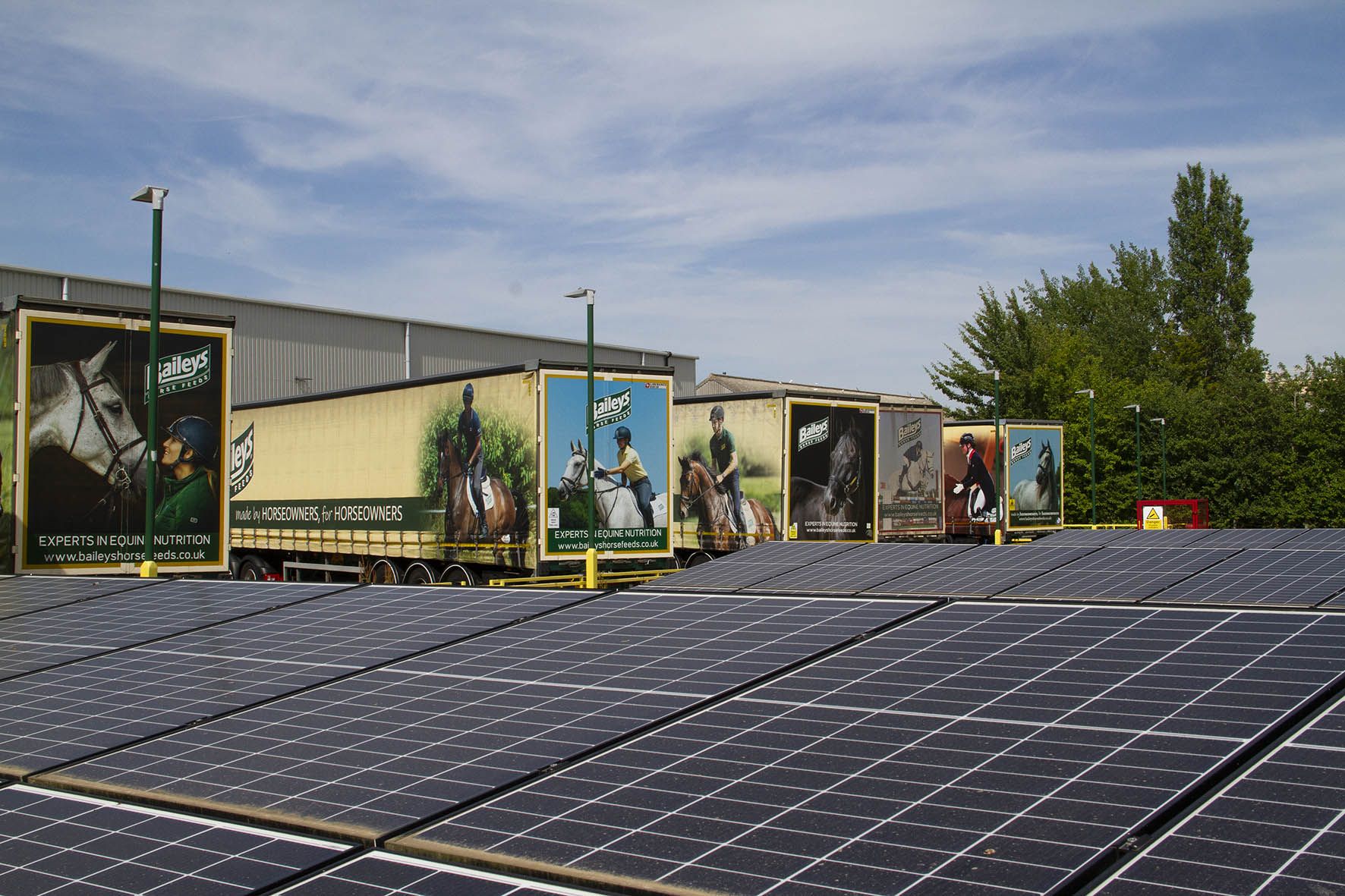
At Baileys’ main production site, in Essex, there are over 3,800 solar panels providing over 9,100 square metres of surface area to generate 1.7 MW of solar power. This supplies 35% to 40% of our annual electricity requirements and, on a sunny summer day, we produce enough electricity to power the whole mill without any support from the National Grid.
Several of our forklift trucks are electric and a growing number of staff are now also driving EVs, which they can charge on site and access our solar energy. While our fleet of lorries are still diesel-powered, we work hard on journey and delivery planning, to reduce feed miles and optimise fuel efficiency.
All of our lighting is LED, and that in the mill and warehouses is motion sensitive so that it is only on when absolutely necessary, while we invest heavily in our production technology so that it is kept up to date and efficient.
Raw materials
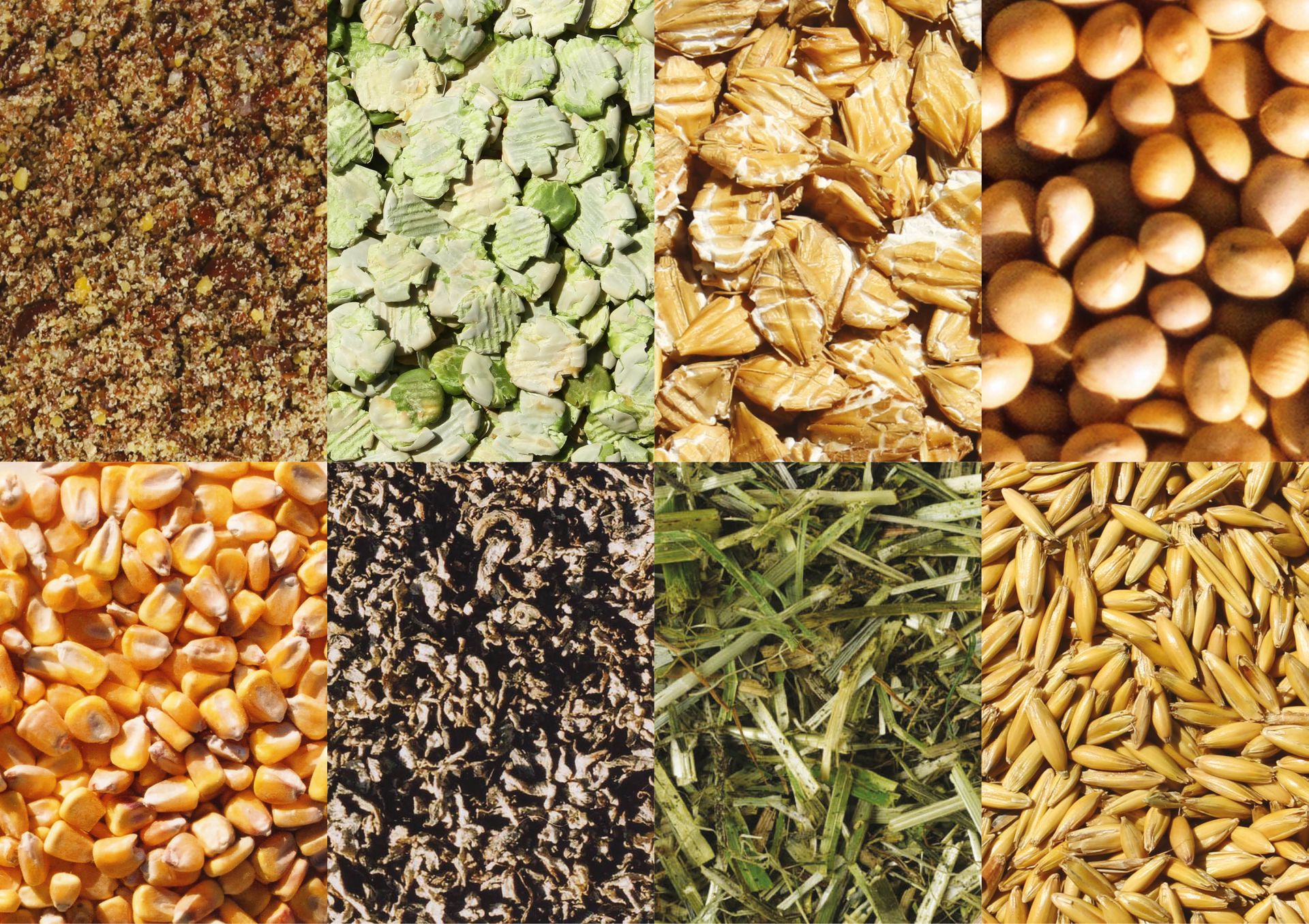
Whenever possible, our raw materials are sourced as locally as possible to minimise ‘feed miles’. We use the valuable fibre-rich parts of grains, which have been processed for human consumption, ensuring nothing goes to waste, and we remain committed to using quality ingredients in our feeds, in order to provide optimum nutrition for our customers’ horses at an affordable price.
Soya remains the best source of good quality vegetable protein for working and breeding horses, as it has an excellent amino acid profile to support muscle build and performance. All our soya-based raw materials are produced sustainably and is subject to a rigorous documentation process. We do use alternative protein sources in those feeds formulated for horses with lower requirements, and this helps mitigate our reliance on soya, without compromising on the quality and efficacy of feeds across our Complete Range.
Waste Reduction & Recycling
Across our production sites, we’re diligent about separating our paper, card, plastic, metal and other waste to ensure as much can be recycled as possible. Our Marketing and Sales teams also limit plastic and paper usage, utilising only considered and useful promotional items, rather than, often plastic-based, gimmicks which are likely to end up as landfill!
